
Published: August 15, 2026 | Last Updated: August 26, 2026
✍️ Written by Rasmus Bach Hovgaard — Personal Finance Writer & Self-Taught Investor
📢 Affiliate Disclosure: Some links in this post are affiliate links. If you sign up through our links, we may earn a commission at no extra cost to you. This never influences our recommendations — we only feature products we’ve personally researched.
Life has a way of sending expensive surprises exactly when you can least afford them. A car breaks down. A medical bill arrives. A job disappears. Without cash set aside, any of these can spiral from a bad week into years of debt.
An emergency fund is the financial buffer that keeps a surprise from becoming a crisis. And in 2026, with high-yield savings accounts paying up to 4.15% APY, you can build yours and make it grow at the same time.
This guide covers everything you need to know about how to build an emergency fund — how much to save, where to keep it, and how to get there even when money is tight.
Why an Emergency Fund Is the Foundation of Any Financial Plan
Before you invest in stocks, max out a Roth IRA, or pay extra on student loans, you need an emergency fund. Here’s why it comes first:
It protects your investments. Without cash reserves, a job loss forces you to sell investments at the worst possible time — when markets are down and you’re panicking. An emergency fund means you never have to sell.
It keeps you out of high-interest debt. The average credit card interest rate in 2026 is around 21%. Putting a $1,500 car repair on a credit card and carrying that balance costs you $315 in interest — for nothing. An emergency fund prevents that entirely.
It reduces financial anxiety. People with an emergency fund make calmer, better decisions because they aren’t operating in fear. Think of your emergency fund as the ground floor of your financial house. Everything else — investing, retirement, wealth building — goes on top of it.
How Much Should You Save in Your Emergency Fund?
The standard advice is 3 to 6 months of essential living expenses. Essential expenses include rent or mortgage, utilities, groceries, transportation, insurance premiums, and minimum debt payments.
Simple calculation: Add up your monthly essentials, then multiply:
- Stable income, two earners in household → 3 months
- Single income or variable income → 4–5 months
- Freelancer, self-employed, or highly specialized career → 6 months
Example: Monthly essentials = $2,500. Your target range is $7,500 (3 months) to $15,000 (6 months).
If those numbers feel overwhelming, that’s okay. Start with $1,000. Research shows that having even $1,000 in savings dramatically reduces the likelihood of going into debt during an unexpected event. That’s your real first target.
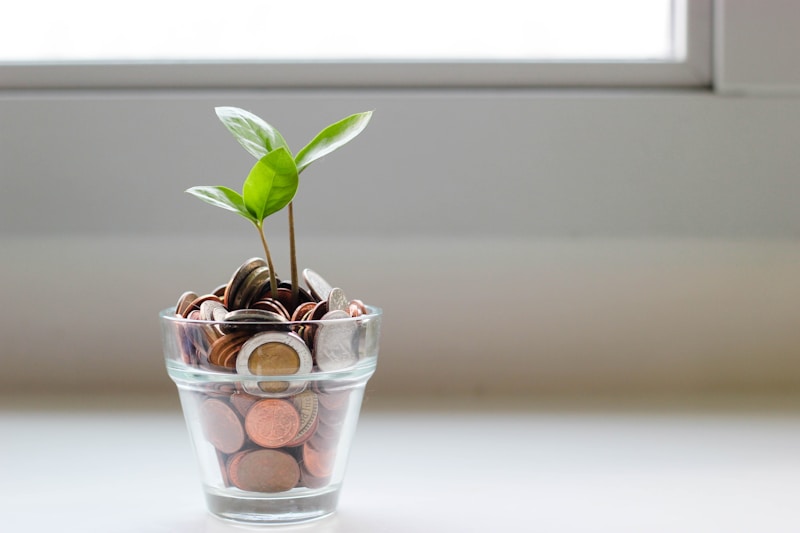
Where to Keep Your Emergency Fund in 2026
Your emergency fund should live somewhere that is safe (federally insured up to $250,000), liquid (you can access the money quickly), and earning something — not just sitting there losing value to inflation.
The best place in 2026 is a high-yield savings account (HYSA). The national average savings rate is around 0.62% APY. But the best high-yield accounts are paying 4.0%–4.15% APY. On a $10,000 emergency fund, that’s $415/year vs. $62/year — a difference of $353 for doing nothing differently except where your money lives.
Top high-yield savings rates as of August 2026: Forbright Bank at 4.15% APY, Vio Bank at 4.12% APY, Peak Bank at 4.10% APY.
Keep your HYSA separate from your everyday checking account. The small friction of a 1–2 business day transfer is actually a feature — it stops you from dipping into emergency funds for non-emergencies.
How to Build Your Emergency Fund When Money Is Tight
Most people know they should have an emergency fund. The challenge is actually building one on a limited income. Here’s a realistic approach:
Step 1: Open a dedicated high-yield savings account
Name it something specific — “Emergency Fund” or “Safety Net.” Psychology matters. You’re far less likely to spend money from an account you’ve mentally earmarked for emergencies.
Step 2: Automate a small weekly transfer
Don’t rely on willpower. Set up an automatic transfer the day after each paycheck. Even $25/week adds up to $1,300/year without any effort.
| Weekly savings | Annual total |
|---|---|
| $25/week | $1,300/year |
| $50/week | $2,600/year |
| $100/week | $5,200/year |
Step 3: Use windfalls strategically
Tax refunds, bonuses, birthday money — direct a chunk of every windfall straight to your emergency fund. Even sending 50% to savings while enjoying the other 50% accelerates your progress dramatically.
Step 4: Find one recurring expense to cut temporarily
You don’t have to cut everything forever — just long enough to build your foundation. An extra $30–50/month freed from a streaming service or gym membership you’re not using can go toward your fund for 6–12 months.
Emergency Fund vs. Investing: Which Comes First?
The answer for most beginners is: emergency fund first. If you invest $5,000 in the stock market and then lose your job, you might be forced to sell during a downturn to pay rent. You lose twice — first from the market drop, then from selling at the worst time.
With an emergency fund in place, your investments stay invested. Compound interest keeps working. You never have to panic-sell.
The one exception: If your employer offers a 401(k) match, contribute enough to get the full match while building your emergency fund. A 50% or 100% match is an instant guaranteed return — don’t leave that on the table.
Once your emergency fund is fully funded, redirect that same automated transfer to an investment account. Apps like Acorns make this transition seamless — once your emergency fund is solid, you can set up round-ups and recurring investments that build wealth on autopilot.
Your 30-Day Emergency Fund Kickstart
You don’t need $15,000 saved to feel more financially secure. You just need to start. Here’s a simple 30-day plan:
- Days 1–3: Open a high-yield savings account and name it “Emergency Fund”
- Days 4–7: Set up an automatic weekly transfer (even $20)
- Days 8–14: Review your spending and find one thing to cut this month
- Days 15–30: Watch your balance grow and resist the urge to touch it
By the end of 30 days, you’ll have started the habit. That habit — automatic saving into a dedicated account — is the foundation of every strong financial life.
Once your emergency fund is in good shape, your next step is to put money to work through investing. Acorns is one of the easiest ways to start — it rounds up your purchases and invests the spare change automatically. Start your emergency fund today. Future-you will be very glad you did.
Disclaimer: This article is for educational purposes only. Interest rates change frequently — verify current rates directly with financial institutions.


Leave a Reply